Economy Fuel prices
Oil prices fall, but petrol does not get cheaper in Switzerland
Tanker traffic through the Strait of Hormuz has only partly resumed, and crude oil remains close to 100 dollars a barrel. In Switzerland, refining and transport costs are nonetheless holding back the drop in pump prices.
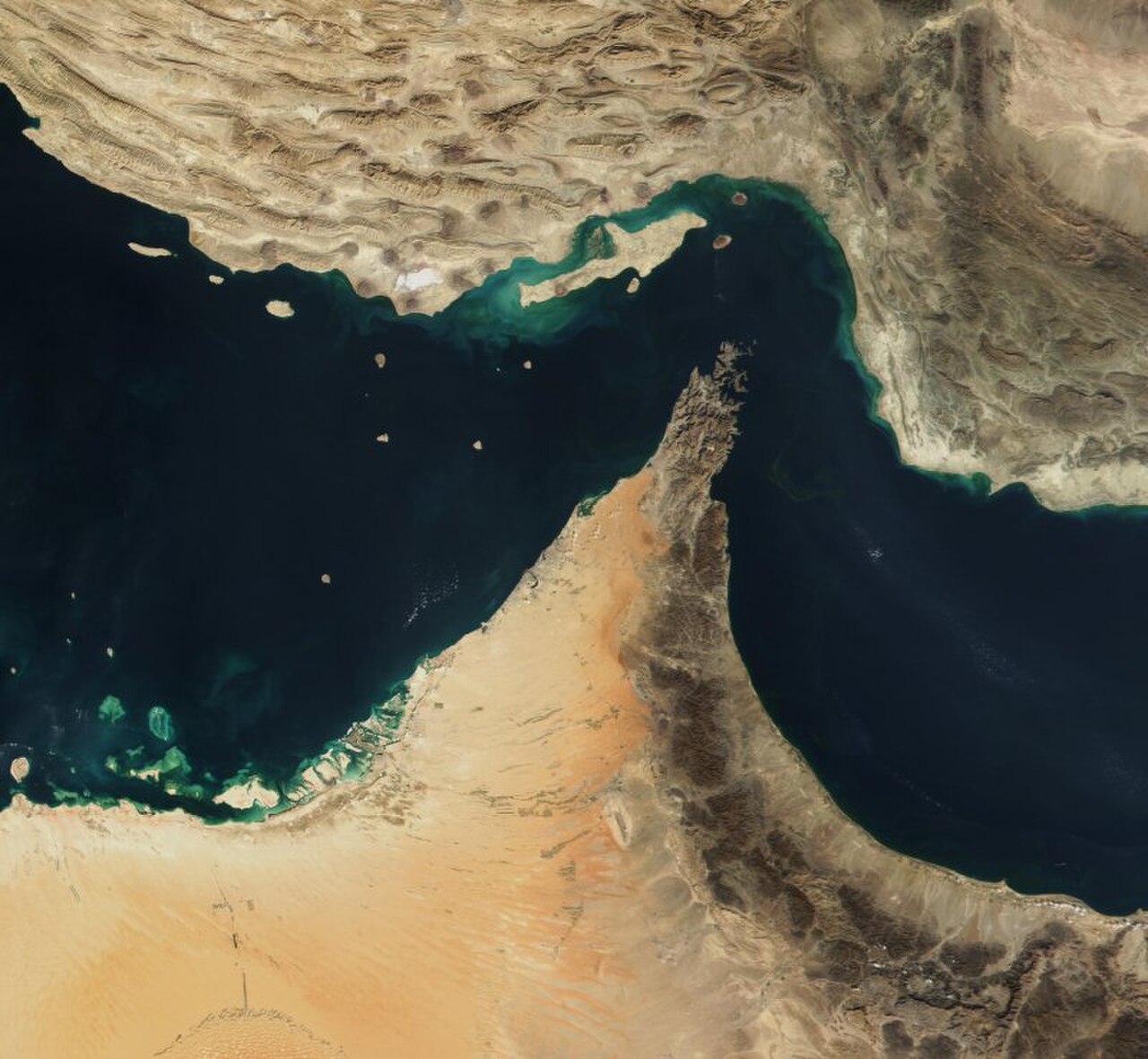
Oil tankers have partly resumed transit through the Strait of Hormuz, even though the situation in the Middle East remains tense. According to Marcelo Olarreaga, professor of economics at the University of Geneva, volumes are still 30 to 40% below pre-conflict levels. Uncertainty continues to weigh on the market: available oil quantities vary and prices remain under pressure. Since early September, the price of crude has stayed close to 100 dollars a barrel, despite the partial recovery in maritime traffic.
Anyone hoping for an immediate drop at the pump will have to wait. Olarreaga explains that the transmission of oil market shocks to petrol prices takes time, «soprattutto quando il prezzo del petrolio scende» (especially when the price of oil falls), while increases pass through «molto più rapidamente» (much faster). The wait is made longer by the fact that Switzerland relies heavily on imports of already refined petroleum products.
Refining and transport, the real bottlenecks
According to Moreno Volpi, of the TCS management board, the decisive factor is available refining capacity. When the Cressier refinery, the only one operating in Switzerland, had to halt production for two weeks, pump prices rose suddenly: capacity was limited and demand concentrated on a reduced supply.
Transport costs also weigh on the final price. The exceptionally low water level of the Rhine has made transporting oil and fuel more expensive. The river is a key supply route: about half of the fuel for Swiss road traffic arrives via this route. When the water level drops, ships can carry smaller quantities of cargo, pushing costs up.
For Volpi, refining capacity will not double because of the crises affecting the world. One of the few conditions that could favour a drop in fuel prices in Switzerland, he says, is a rise in the Rhine's water level.
Dependence on a single refinery and a single river route leaves the Swiss fuel market exposed to any disruption, with little room to absorb shocks through competition among alternative suppliers. Whether diversifying supply routes would be worth it remains an open question, given the costs such a move would entail for the industry and, ultimately, for consumers.
While lower prices are awaited, the rising cost of fuel seems meanwhile to be fuelling growing interest in electric mobility.
Comments
There are no comments yet. Yours can be the first voice.