Canton Antifascism in Lugano
Antifascist march draws over a hundred people in Lugano
On Saturday afternoon, more than a hundred people demonstrated in Lugano against fascism and authoritarianism, patriarchy and homophobia. The march, escorted by police, crossed the city centre with signs referencing Claudio Zali and Palestine.
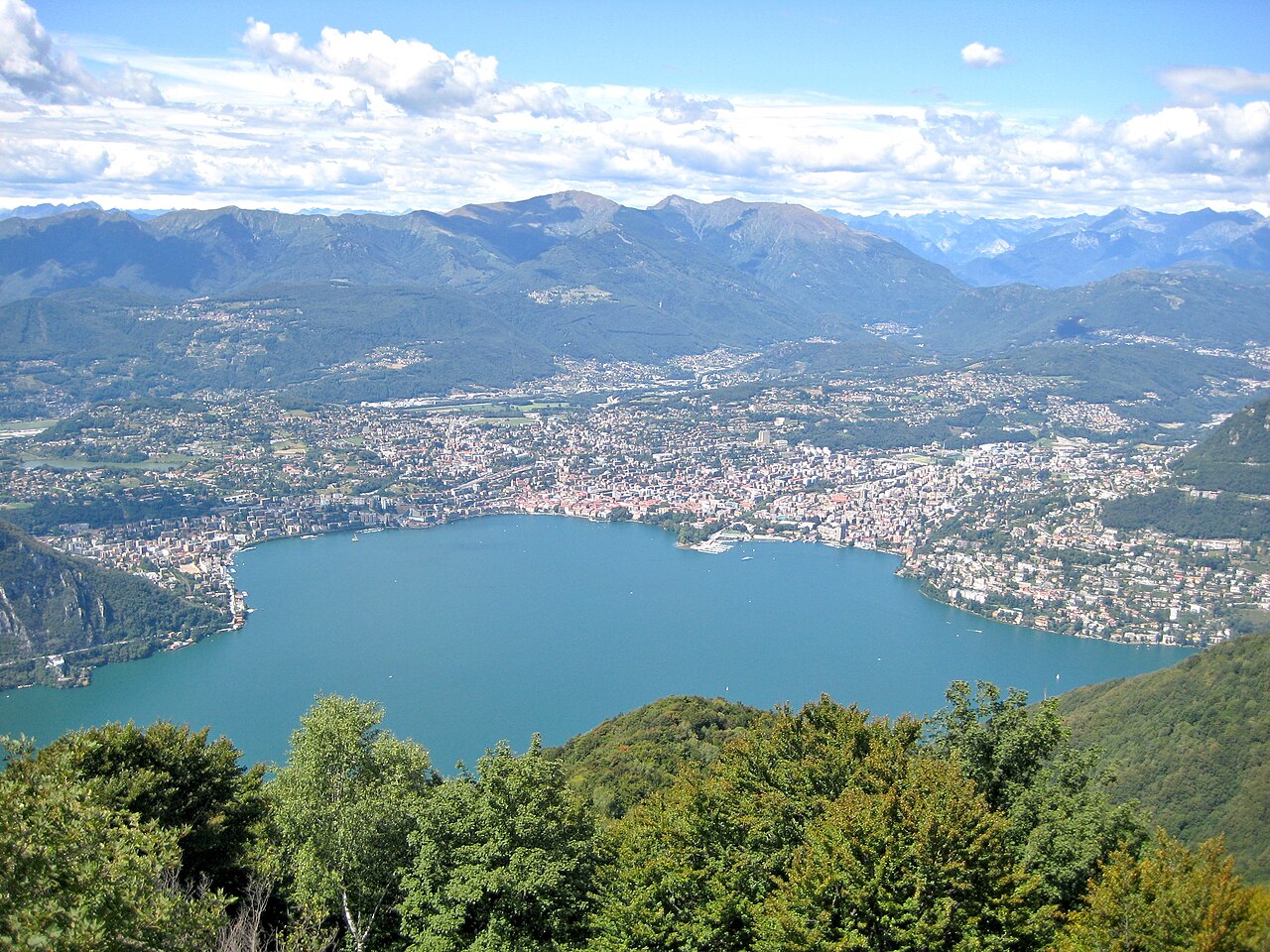
On Saturday afternoon, shortly after 2.30pm, more than a hundred people gathered in Piazza Indipendenza in Lugano for an antifascist assembly. After the meeting, participants formed a march and set off through the streets of the city centre. A police unit followed the entire route at a short distance, monitoring the demonstration from start to finish.
A small truck blasting loud music accompanied the march. Around the vehicle, chants and slogans rose up repeatedly from the participants, setting the pace of the demonstration along the whole route.
Among the signs carried through the square were references to the case of former State Councillor Claudio Zali. There were also signs with slogans of support for the Palestinian population, a sign that the mobilisation wove together local and international themes.
The demands
With the collective action, participants meant to contest every form of authoritarianism and fascism, including the entire spectrum of the radical right. The mobilisation also spoke out against the patriarchal system and against homophobia. These are demands that directly concern the condition of those in society most exposed to discrimination and violence: homosexual people, women, anyone who feels threatened by authoritarian tendencies.
The march crossed the heart of Lugano heading towards the pensilina, the city's central public transport hub. The demonstration also passed through the area of the former slaughterhouse (ex-Macello), another stop on the route chosen by the organisers.
Saturday's event confirms that the themes of antifascism, gender equality and the rights of homosexual people continue to mobilise part of Lugano's population, who brought their demands onto the streets. Questions remain open in the city's public debate about what spaces for dialogue exist for these demands, and what protections are guaranteed to those who publicly expose themselves against discrimination and hate speech.
Comments
There are no comments yet. Yours can be the first voice.